
Asian Eyelid Anatomy & Crease Planning
Learn how Asian eyelid anatomy, crease height, skin thickness, fat, asymmetry and personal goals influence individualized double eyelid surgery planning.
7/8/2025
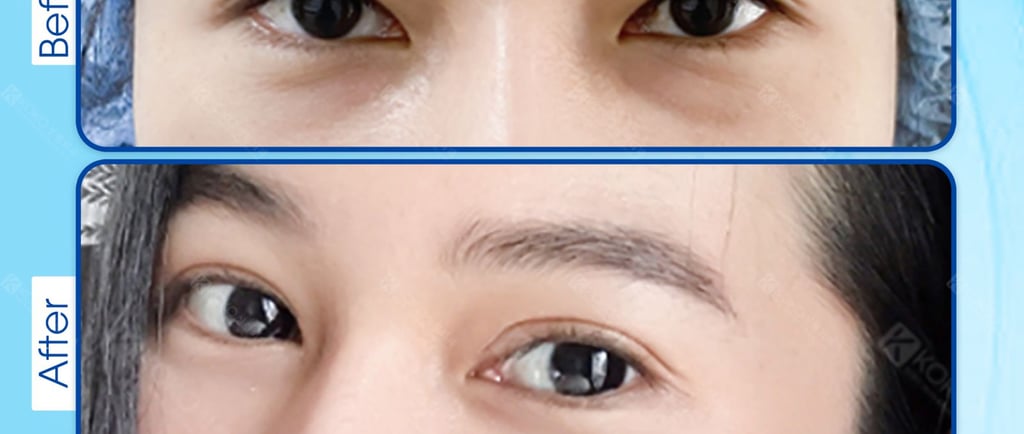
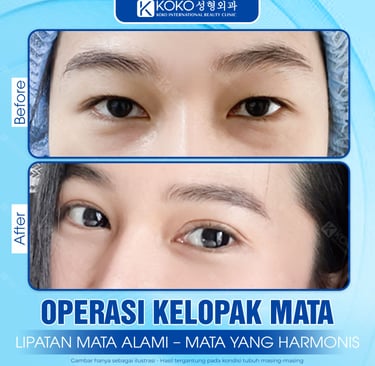
Asian eyelid anatomy varies from person to person. Crease planning should reflect the individual eyelid structure, facial proportions and preferred appearance rather than using one standard shape for everyone.
This article explains the anatomy and planning considerations that may influence double eyelid surgery. The main procedure guide covers techniques, suitability, recovery, risks and consultation in more detail.
Why Asian Eyelid Anatomy Matters
Asian eyelids are not all the same. Individuals can have differences in crease presence, crease height, skin thickness, fat distribution, muscle structure, eyelid proportions and the relationship between the eyelid and eyebrow.
One eyelid may also differ from the other. These variations matter because the same crease design or surgical approach will not suit every patient.
Planning Eyelid Crease Height and Shape
Crease height and shape should be planned according to the patient's existing eyelid anatomy, eye shape, facial proportions and treatment goals.
A higher or deeper crease is not automatically better. The surgeon should discuss how visible the crease may be when the eyes are open, how the inner and outer parts of the crease may relate to the eye, and what the tissues can reasonably support.
Skin, Fat and Existing Eyelid Creases
Skin thickness, fat distribution, existing folds and natural asymmetry may all affect planning. Previous eyelid surgery, scars or changes in the tissues can also be relevant.
These features require individual assessment. They should not be used to prescribe one technique without examination by the surgeon responsible for the case.
Incisional vs Non-Incisional Planning
Incisional and non-incisional approaches are different options that may be discussed during consultation. Neither technique is appropriate for every patient.
Suitability is determined by the licensed surgeon after reviewing the eyelid anatomy, skin and tissue characteristics, existing crease, previous procedures, relevant medical history and treatment goals.
Natural-Looking Planning Does Not Mean One Standard Shape
There is no single ideal Asian eyelid. A natural-looking plan should respect the patient's existing features and preferred appearance rather than applying one crease height or shape to everyone.
Reference photos can help explain a preference, but another person's eyelids cannot be copied exactly. Individual anatomy affects what may be appropriate and achievable.
Questions to Discuss With Your Surgeon
• What crease height and shape may suit my eyelid anatomy?
• How could natural asymmetry affect the plan?
• How do my skin thickness and fat distribution influence planning?
• Which technique may be suitable, and why?
• How does previous eyelid surgery affect the assessment?
• Where could scars or access points be located?
• What recovery changes should I expect for my individual procedure?
Read the Main Double Eyelid Surgery Guide
Double Eyelid Surgery in Vietnam
The main procedure page covers techniques, suitability, recovery, risks and consultation.
Online Consultation Before Travelling
Start Free Online Consultation → Clear Photos & Relevant Medical Information → Initial Assessment → Personalized Treatment Plan → Individual Quotation → Plan Your Vietnam Trip
Medical assessment, technique selection and treatment decisions are made by the licensed surgeon responsible for the case. The Dr. Koko Vietnam international patient team handles communication and coordination before and during the consultation process.
International Patient Guide