
Upper & Lower Blepharoplasty Planning
Learn how upper and lower blepharoplasty planning considers eyelid skin, under-eye bags, fat, asymmetry, anatomy, recovery and individual treatment goals.
7/6/20252 min read
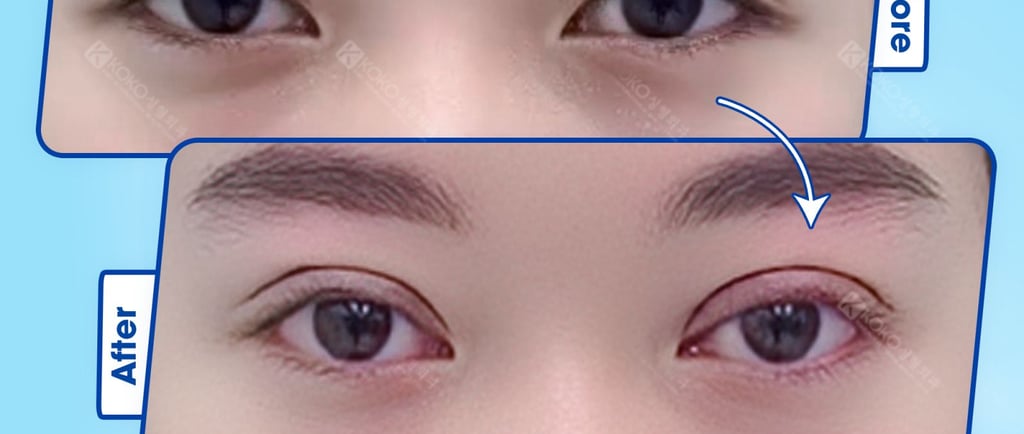
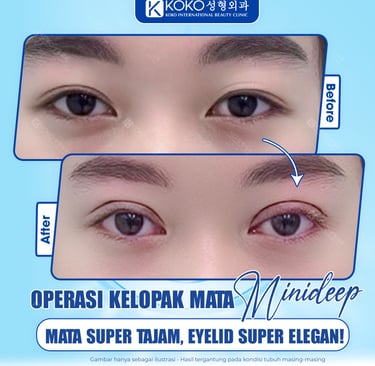
Upper and lower blepharoplasty address different age-related eyelid concerns. Planning depends on the eyelid skin, fat distribution, tissue support, natural asymmetry, previous surgery and the patient’s individual goals.
A licensed surgeon should assess the upper and lower eyelids separately before recommending whether treatment may be appropriate.
Upper Eyelid Concerns
Upper-eyelid planning may consider excess skin, heaviness, hooding, fat distribution, crease anatomy and differences between the two eyelids.
The appropriate approach depends on the individual anatomy and medical assessment. Treatment should not be planned around a promised appearance or one standard result.
Lower Eyelid Bags and Fullness
Under-eye bags or fullness can relate to fat position, skin, tissue support and individual anatomy. Similar-looking concerns may have different causes.
The surgeon determines which features may be suitable for treatment and whether a surgical or different approach should be considered.
Skin, Fat and Tissue Assessment
The surgeon assesses eyelid skin, fat distribution, tissue support, symmetry and any previous eyelid surgery when planning treatment.
These findings, together with relevant medical information and the patient’s goals, guide individualized decisions. Learn more about the Plastic Surgeons in Vietnam involved in assessment and treatment planning.
Scars and Incision Planning
Incision placement depends on the treatment plan, eyelid anatomy and the area being addressed. All surgical incisions create scars, and scar appearance varies with the procedure and individual healing.
Your surgeon can explain the proposed incision location and what to expect during healing for your individual plan.
Recovery Is Individual
Swelling, bruising and return to normal activities vary between patients and procedures. Upper and lower eyelid treatment, combined surgery, previous procedures and individual healing can affect recovery.
Your surgeon will provide guidance about care, follow-up and travel based on the treatment performed and your progress.
Upper vs Lower Blepharoplasty
Upper blepharoplasty and lower blepharoplasty address different anatomical concerns. One may be considered without the other, or both may be discussed when appropriate after assessment.
Patients do not need to choose the operation themselves. The surgeon should explain which area is contributing to the concern and whether treatment may be suitable.
Questions to Discuss With Your Surgeon
Are my concerns mainly related to the upper eyelids, lower eyelids or both?
How do my skin and fat distribution affect planning?
Where could incisions be placed for the proposed treatment?
How might natural asymmetry affect the plan?
Does previous eyelid surgery change the assessment?
What recovery should I expect for my individual procedure?
Could another eyelid procedure be more appropriate?
Double Eyelid Surgery and Crease Planning
Blepharoplasty for age-related upper or lower eyelid concerns is different from planning surgery specifically to create or modify an eyelid crease.
Patients researching eyelid crease creation or modification should read Double Eyelid Surgery in Vietnam. That procedure page explains crease planning, technique options, suitability and recovery.
Consultation Before Travelling
Start Free Online Consultation → Clear Photos & Relevant Medical Information → Initial Assessment → Personalized Treatment Plan → Individual Quotation → Plan Your Vietnam Trip
Medical assessment and treatment decisions are made by the licensed surgeon responsible for the case. The Dr. Koko Vietnam international patient team handles communication and coordination.
International patients can review the International Patient Guide and start a free online consultation before arranging travel.